Why a Bed Bug Exterminator Helps Protect Your Family
Heat Treatment for Bed Bugs: Your Step-by-Step Eradication Plan
Bed bug invasions can cause considerable stress within a household. Heat-based therapy is a reliable technique related information for removing these pests successfully. This method demands thorough preparation and implementation to ensure effectiveness. Understanding the steps involved is vital for homeowners. What can homeowners anticipate throughout this procedure? The sections below detail key preparations and methods to sustain a bed bug-free living space, offering a straightforward route to resolution.
Bed Bug Infestation: Actions to Take Right Away
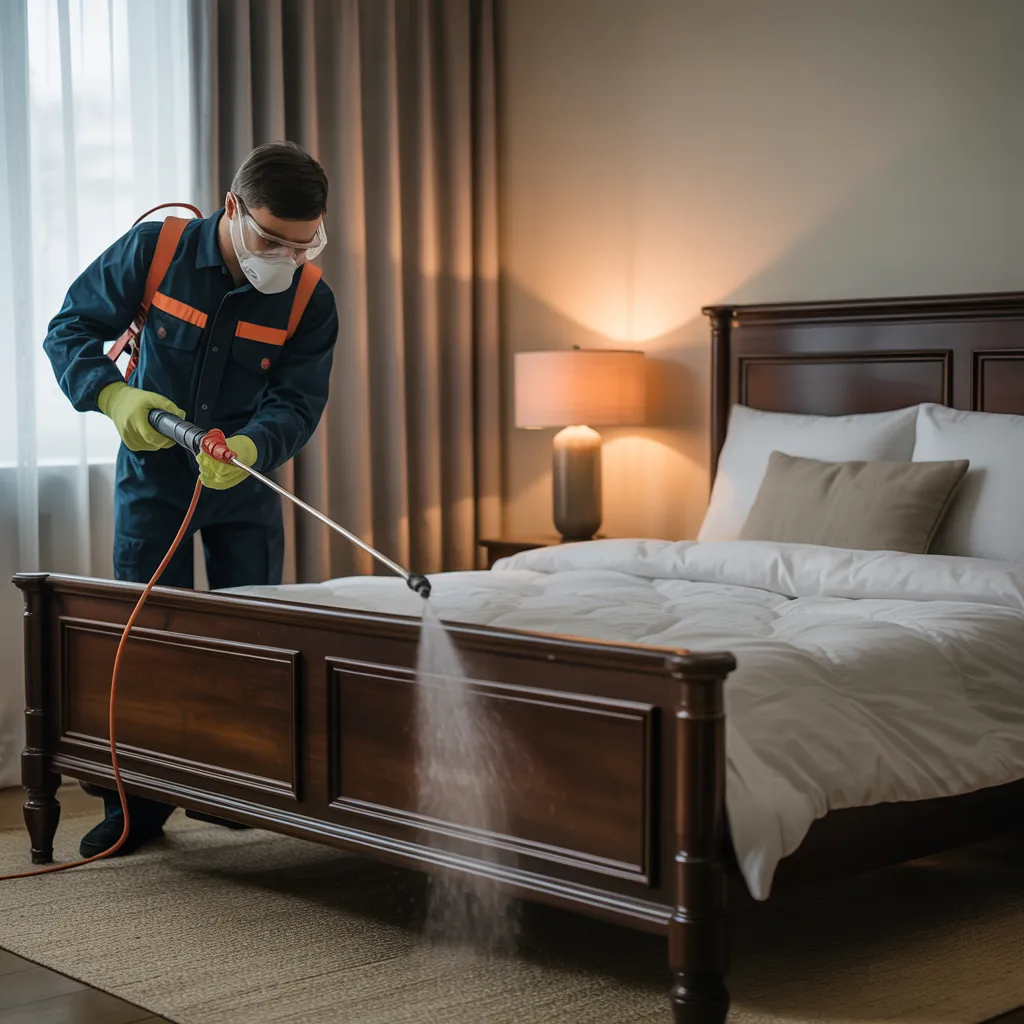
Upon discovering a bed bug infestation, swift action is critical to mitigate the problem. The primary step includes identifying the extent of the infestation. This can be done by inspecting common hiding spots such as furniture crevices, mattresses, and bed frames. Upon confirmation, residents should reduce the spread by quarantining contaminated items. This means securing contaminated bedding and clothing within sealed plastic bags.
Additionally, it is recommended to reduce clutter in the infested area. This helps eliminate hiding spots while also improving the effectiveness of treatment efforts. A thorough vacuuming session can help remove both bugs and eggs from surfaces, however, disposal of the vacuum bag is essential to stop reinfestation from occurring.
Finally, consulting a certified pest management service is highly encouraged. These experts have the expertise and equipment needed to achieve thorough extermination. Prompt, decisive actions can substantially lower the scale of the invasion and bring about a faster solution.
How Heat Treatment Functions to Get Rid of Bed Bugs
After evaluating the severity of a bed bug infestation and applying early containment protocols, identifying effective treatment methods takes precedence. Heat treatment represents a proven and highly effective solution for removing bed bugs. This process requires elevating the temperature in affected areas to a deadly threshold, typically between 120°F and 140°F. At these temperatures, bed bugs, their eggs, and nymphs cannot survive.
This method generally needs specialized equipment that distributes heated air throughout the space, providing consistent temperature coverage. Unlike chemical treatments, heat penetrates into furniture, walls, and concealed spaces where bed bugs may reside. This thorough approach eradicates bed bugs at every developmental stage during one application.
As effective as the treatment is, it is vital to establish that all objects within the room can withstand high temperatures to avoid damage. Thermal treatment not only eliminates present infestations but also assists in preventing future ones by eliminating hard-to-reach populations.
Essential Preparations for Heat Treatment Success
Effective heat treatment for bed bugs demands thorough preparation to ensure maximum results. In advance of treatment, decluttering the space is critical to allow heat to penetrate every surface. All items, especially those with potential bed bug hiding spots, should be removed or treated separately. Additionally, washing and drying bedding, clothing, and curtains on high heat can help eliminate any pests or eggs present.
Furniture must be positioned away from walls to form a buffer zone, facilitating proper airflow during treatment. Electronic equipment and sensitive belongings must be relocated or protected, since excessive heat may cause damage to them. Finally, sealing cracks and crevices will reduce places for bed bugs to hide, boosting the overall efficacy of treatment. These vital steps set the stage for effective eradication and enable a more comprehensive application of heat, ultimately producing a bed bug-free living space.
What You Can Expect During Heat Treatment
In the course of bed bug heat treatment, property owners can prepare for a transformative process intended to eradicating these pests. The process requires raising indoor heat levels to between 120°F and 140°F, effectively targeting all phases of life of bed bugs, including their eggs. As the warmth permeates carpets, furniture, and concealed areas, occupants may experience a heated atmosphere throughout the property.
Homeowners need to anticipate some disruption, as the process typically lasts multiple hours to secure complete coverage. Experienced pest management professionals will carefully track temperature levels, utilizing professional-grade tools to sustain the necessary temperatures. While no visible signs of bed bugs may be apparent immediately, the thermal treatment is formulated to eradicate infestations at each developmental stage. It is critical for homeowners to avoid the treated zone until the area has been certified safe, safeguarding their safety during this rigorous elimination procedure.
Next Steps for Keeping Your Home Bed Bug-Free
After heat treatment, keeping your home free of bed bugs requires proactive measures. Homeowners are advised to carry out periodic examinations, focusing on typical infestation areas such as bed frames, mattresses, and upholstery seams. Utilizing protective encasements for box springs and mattresses may reduce the risk of future infestations by trapping any residual insects.
Routine cleaning is crucial; vacuuming frequently and washing bedding and clothing in hot water will help eliminate any potential eggs or bugs. Furthermore, decluttering the home reduces hiding spots and simplifies the inspection process.
It is also advisable to be cautious when carrying in pre-owned belongings or travel bags, as these can harbor and spread new bed bugs. Should any indications of re-infestation be noticed, a qualified pest management professional should be called right away. By implementing these precautions, residents can establish conditions that significantly lower the likelihood of bed bugs coming back.
Questions We Get Asked Often
Am I Able to Stay in My House During Heat Treatment?
No, it is typically recommended that occupants vacate the home during heat treatment for bed bugs. The elevated temperatures necessary for successful elimination can present safety hazards and cause discomfort to both residents and pets.
How Long Will Heat Treatment Take to Be Completed?
Heat treatment typically takes about six to eight hours to complete, according to the extent of the infested space. This process involves raising the temperature to thoroughly eradicate bed bugs throughout every stage of their life cycle.
Are There Any Risks to My Pets During Treatment?
Yes, there are risks to pets during treatment. The high heat involved can be dangerous; for this reason, it's essential to remove pets from the premises beforehand and guarantee their safety until the treatment area cools down.
What Happens if Bed Bugs Return After Treatment
When bed bugs come back after treatment, this could suggest incomplete elimination or a fresh infestation. Residents should take a closer look at their living conditions, explore further treatment options, and work with professional exterminators to develop effective approaches for dealing with the recurring infestation.
How Much Does Bed Bug Heat Treatment Cost?
Bed bug heat treatment typically costs anywhere from $1,000 to $2,500, based on how severe the infestation is and the size of the treatment area. Other variables may also impact the total price, including location and service provider.